Castro Laboreiro
Caminho da Geira e dos Arrieiros
Castro Laboreiro is a remote Portuguese mountain village that feels like the end of the world — in the best possible way. There's a mini-market inside the bakery on the main road, and this is your last chance to buy food until Cortegada, a long way north. Stock up.
Hotel Castrum Villae is an economical three-star hotel at the end of the village. The included breakfast doesn't start until 8am, but it can be brought to your room the evening before if you want an early start. Restaurante Miradouro do Castelo comes as advertised: the main dining hall has a beautiful view over the castle ruins and mountains, and considering the location, prices are quite reasonable.
The castle ruins above the village date from the 11th century and are worth the short climb for the views alone. The village is also famous for its breed of working dog, the Cão de Castro Laboreiro — a large, powerful livestock guardian you may see in the surrounding pastures.
Castro Laboreiro takes its name from a hilltop fort (castro) that has been occupied since at least the Iron Age. The castle ruins visible today date from the 11th century, when the fortification guarded this strategic mountain crossing between Portugal and Galicia. The village has practiced transhumance for centuries — herding livestock between summer mountain pastures and winter valley settlements. The Cão de Castro Laboreiro, one of Portugal's oldest dog breeds, was developed here to protect the herds from wolves.
Leaving town, take the left immediately after Hotel Castrum Villae. It's about 5 km to the border and another kilometer to Azoreira, the first village on the Galician side. The path is not well signed — GPS is useful here.
Accommodation in Castro Laboreiro.
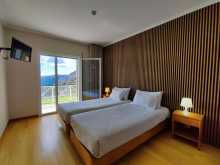
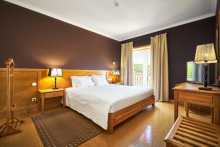
| Just Natur Guesthouse Booking.com |
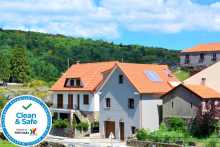
|
| Albergue das Veigas |