Roncesvalles
Camino Frances
Roncesvalles (Orreaga in Basque) is where the Camino Francés truly begins for many pilgrims. Those who walked from Saint Jean arrive exhausted and triumphant; those starting here begin fresh-legged and wide-eyed. You can tell them apart by the length of their stride.
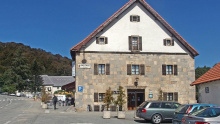
The village is tiny — essentially the Collegiate church complex, the albergue, the Posada hotel, and a handful of other buildings along a single road. Everything revolves around the Colegiata de Santa María, a 13th-century Gothic church where the pilgrim mass and blessing take place each evening. Don't miss it.
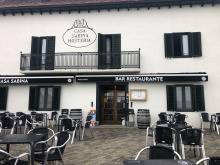
The albergue is one of the largest on the Francés with nearly 200 beds in a renovated medieval hospital. Dinner tickets are sold at reception; the communal dining room is a chaotic, multilingual affair and a great introduction to Camino social life. The Posada restaurant is the other dining option — more refined, with a solid menu del día.
It doesn't take long to see everything here, and almost every building has historical or artistic value. The Silo de Carlomagno (the oldest structure), the chapter house with its Romanesque capitals, and the 14th-century cloister are all worth a wander.
The Virgen de Roncesvalles is celebrated on September 8. Romerías take place on Sundays in May and June, and on the Wednesday before September 8.
The Battle of Roncesvalles (778) is the founding legend. Charlemagne's rearguard, led by the paladin Roland, was ambushed and destroyed by Basque forces as it retreated through these mountains. The event was transformed into the epic Song of Roland, one of the oldest surviving works of French literature, though the poem replaced the Basques with Saracens for dramatic effect.
The Collegiate of Roncesvalles was founded in 1132 as a monastery and pilgrim hospital, and it has served pilgrims continuously since. The Gothic church of Santa María Real houses the silver-clad Romanesque Virgin of Roncesvalles. The 13th-century chapter house, known as the Silo de Carlomagno, is where tradition places the burial of the battle's fallen.
The camino starts on a path to the west of the main road, heading into beech forest before returning to the road as you approach Burguete. It's a gentle, flat walk of about 3 km — a merciful start after the mountain.
Comments