Álija del Infantado
Via de la Plata
Two churches worth your attention, but if you only visit one, make it the Iglesia de San Esteban. The coffered Mudejar ceiling is the reason to stop -- an intricate geometric pattern of interlocking wooden panels, painted and carved in the tradition that Moorish craftsmen brought to Christian Spain. Mudejar work this well preserved is uncommon outside of major cities, and finding it in a village this small is a genuine surprise.
The Iglesia de San Verismo is the other church, less celebrated but with its own quiet appeal.
The castle ruins on the hill above town date to the 12th century. The Infantado in the town's name refers to its status as a royal infante's holding -- land granted to a prince of the crown.
The castle was built in the 12th century and expanded in the 14th and 15th centuries under the Dukes of the Infantado. The Mudejar ceiling in San Esteban dates to the 15th century and represents the artistic tradition of Moorish craftsmen working under Christian patronage. The word Mudejar itself comes from the Arabic mudajjan, meaning "permitted to remain" -- a reference to the Muslims who stayed in reconquered Christian territory and continued practicing their crafts.
Follow the road to La Nora del Río (3km). Arrows at the start of town are conflicting, the smaller ones send you through town (no services) while a giant one encourages you to turn left along a trail adjacent to the river. The river choice is the best option and you will follow it for the next few hours.
Accommodation in Álija del Infantado.
| Albergue de peregrinos de Alija del Infantado 8€ 12 |
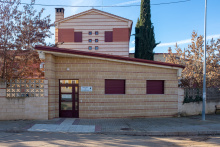
|
| Hotel El Hotelito | 
|
Comments