Villanueva de Campeán
Via de la Plata
On the southern edge of town, visible on your right as you enter, stand the ruins of the Convento Franciscano de Nuestra Senora del Soto. Founded in 1406 on an earlier hermitage, the convent was extensively rebuilt in the 18th century before being abandoned and falling into decay. It's now on Spain's Red List of Heritage in Danger — a declared cultural asset that you can't enter but whose exterior retains a certain ruined grandeur.
The village is small and services are limited — the bar has reportedly been closed since early 2024, so plan accordingly.
Bar has been reported closed -- plan accordingly and carry food and water from El Cubo de Tierra del Vino.
Villanueva de Campean essentially owes its existence to the Franciscan convent. The village grew up around it after its founding in 1406, drawing settlers who worked the surrounding agricultural lands. The convent was reformed in the 18th century but suffered the same fate as most religious houses during the ecclesiastical confiscations of the 1830s.
The camino from Villanueva de Campean is almost entirely through the countryside along well-marked paths. The entrance to Zamora is short, and your first real glimpse of the riverside city comes from the banks of the Rio Duero.
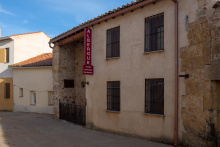
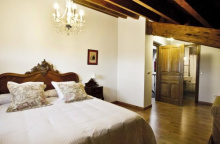
Accommodation in Villanueva de Campeán.
| Albergue Privado Villanueva de Campeán 15€ 23 |
|
Comments