Pamplona
Camino Frances
Pamplona (Iruña in Basque) is the first major city on the Francés and the capital of Navarra. It's a beautiful, walkable city with a well-preserved old quarter, excellent food, and a lively atmosphere year-round — not just during the San Fermín festival.
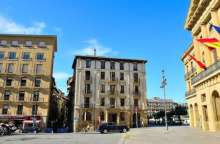
The old city is compact. The Plaza del Castillo is the heart of it, ringed by cafés with outdoor seating. From here the narrow streets radiate outward, packed with pintxos bars that rival anything in San Sebastián. Calle Estafeta — the famous bull-running street — is worth walking even without the bulls. The cathedral of Santa María la Real is a Gothic masterpiece with a cloister considered one of the finest in Spain.
The city walls and the Ciudadela (the star-shaped fortress turned public park) are perfect for an afternoon stroll. The parks along the Arga river offer green space and running paths.
For services, Pamplona has everything: hospitals, pharmacies, outdoor gear shops (useful for replacing anything that broke in the Pyrenees), banks, and a major bus and train station. The Pilgrim Office near the cathedral issues credenciales and stamps.
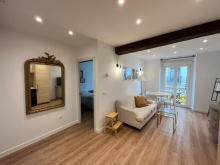
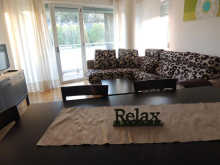
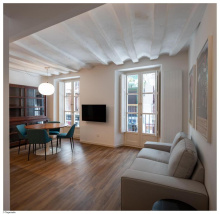
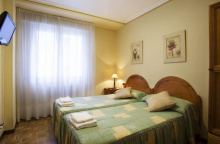
Multiple albergues operate in the old city. The municipal albergue Jesús y María is centrally located. Several private albergues and hostels offer more comfort. Hotels range from budget to luxury. Book ahead during San Fermín (July 6-14) when the city is impossibly full and prices triple.
Pamplona is the first city along the way with a post office (Correos ⨠), perfect for lightening your pack. The post office here can help you send your stuff to the Santiago post office, or to Casa Ivar (the same Ivar as the popular ‘Camino Forums’’). He offers package and luggage receiving & storage in Santiago. Prices range from 15-25€, depending on the size of the package. When you arrive in Santiago, stop by Ivar´s office and pick it up. Opening hours are listed on casaivar.com, or you can email Ivar at ivar@casaivar.com.
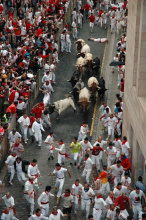
San Fermín (July 6-14) is the big one — the encierro (bull running) takes place at 8:00 each morning along Calle Estafeta. The city explodes into non-stop celebration. Book accommodation months ahead or plan to arrive early; beds become scarce. Outside July, Pamplona's pintxos scene and cultural life make it worth a rest day anytime.
Pamplona was founded by the Roman general Pompey in 75 BC as Pompaelo. It became the capital of the Kingdom of Navarre in the 10th century and has been the political heart of the region ever since.
The city's most famous event, the Running of the Bulls during the San Fermín festival, was immortalized by Hemingway in The Sun Also Rises. The festival dates to the 14th century, though the bull runs themselves evolved from the practical need to move bulls from corrals to the bullring. It's become one of the world's most famous festivals, for better and worse.
The camino exits through the old city, passing the university campus and climbing gently through the suburbs of Iturrama and Cizur Mayor before reaching Cizur Menor. The way out of Pamplona is well-marked but the urban sprawl can feel long after the intimacy of the Navarrese villages.
Accommodation in Pamplona.




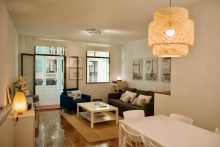

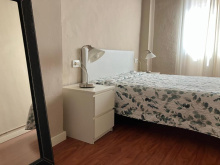



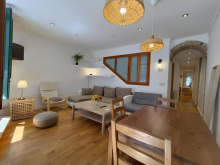
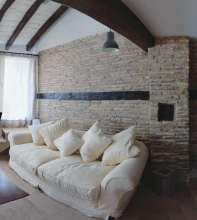



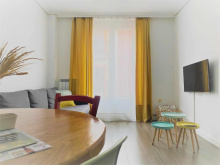








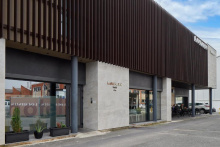



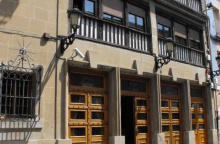

| Albergue Municipal de Peregrinos - Iglesia de Jesús y Maria 12€ 112 |
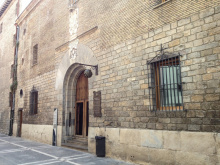
|
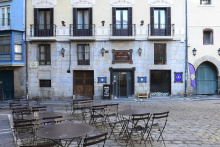
| Albergue Plaza Catedral 19€ 42 Booking.com |
|
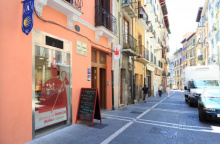
| Albergue de Pamplona-Iruñako Aterpea 16€ 22 Booking.com |
|
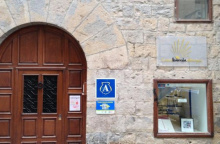
| Albergue Casa Ibarrola 25€ 20 Booking.com |
|
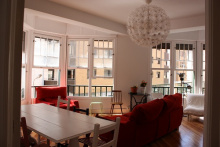
| Aloha Hostel 25€ 26 Booking.com |
|
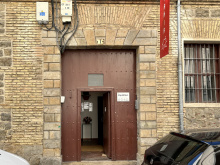
| Betania Donativo€ 20 |
|
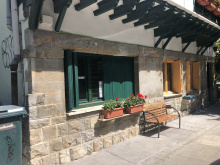
| Albergue Casa Paderborn 7.50€ 26 |
|


Comments