Pola de Lena
Camino de San Salvador
Pola de Lena is the biggest town you've seen since León, spread lengthwise along the road through the Lena valley. There's an albergue with basic services near the train station, and plenty of bars and grocery shops to meet pilgrim needs. The town has a working-class character shaped by generations of coal mining — not glamorous, but genuine and functional.
The train station is useful if you need to bail out or if someone is joining you on the route. RENFE trains connect Pola de Lena to Oviedo, León, and beyond. Stock up here if you need anything — the next stretch through the smaller valley towns doesn't offer much.
The Fiestas de San Martín are celebrated in November. Pola de Lena also participates in the broader Asturian tradition of the Antroxu (Carnival) in February, which is celebrated with particular enthusiasm in the mining valleys.
The municipality of Lena has been inhabited since prehistoric times, with the valley serving as a natural corridor between the coast and the meseta. The Romans built roads through here, and the Asturian monarchy left its mark with Santa Cristina de Lena above. The modern town's identity was shaped by coal mining from the 19th century onward. The Asturian miners' revolts of 1934 — a precursor to the Spanish Civil War — had strong support in towns like Pola de Lena. The mines have largely closed, but the memory runs deep.
Accommodation in Pola de Lena.
| Albergue de Pola de Lena 6.75€ 36 |
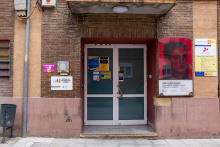
|
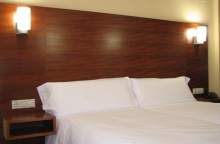
| Albergue Roma 15€ 20 Booking.com |
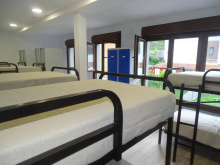
|

Comments