Atapuerca
Camino Frances
Atapuerca is a small village of fewer than 200 people, but the caves in the sierra just outside town have rewritten the story of human presence in Europe. Excavations have been underway since the 1970s, and the discoveries keep coming.
The archaeological site itself is a short distance from the village but requires a guided visit — you can't just walk in. Tours are organized from the Centro de Acceso a los Yacimientos in the village, or you can visit the Museo de la Evolución Humana in Burgos, where most of the major finds are now displayed. The museum is one of the best in Spain and well worth the time if you're taking a rest day in Burgos.
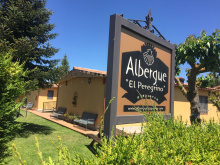
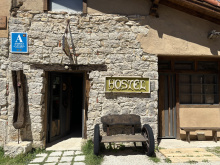
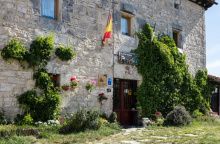
The village itself is quiet. A couple of bars, an albergue, and the kind of agricultural calm that makes the prehistoric significance of this spot feel almost surreal. Before you reach the village from the east, you'll pass a large stone marker in the field — the locals call it el fin del rey, marking the spot where King García of Navarra fell in battle against his brother in 1054.
San Martín is celebrated on November 11.
The Sierra de Atapuerca contains one of the most important archaeological sites in the world, designated a UNESCO World Heritage Site in 2000. The key discoveries span an almost unimaginable timeframe.
At the Sima del Elefante, fragments of a jawbone and teeth dated to 1.1-1.2 million years ago represent the earliest evidence of human presence in Western Europe. The Gran Dolina cave yielded the remains of Homo antecessor, a species described in 1997 from bones dating to 800,000 years ago — along with the oldest known evidence of cannibalism among hominids.
The Sima de los Huesos — the Pit of Bones — has produced over 5,500 skeletal fragments from at least 28 individuals of Homo heidelbergensis, around 350,000-400,000 years old. The deliberate placement of bodies in the pit suggests early ritual behavior.
All of this was uncovered almost by accident. In the 1970s, a railway trench cut through the sierra exposed cave deposits that had been sealed for millennia. Systematic excavation began in 1978 and continues today, with new finds regularly pushing back the timeline.
The Battle of Atapuerca, fought here on September 1, 1054, belongs to a different era of history but is no less dramatic. King García Sánchez III of Navarra clashed with his brother Fernando I of Castilla over territory along their shared border. García was killed — some accounts say by his own knight, others by troops who disobeyed Fernando's orders to take him alive. The battle marked the beginning of Navarra's decline as a major Iberian power.
From Atapuerca, the camino climbs into the Sierra de Atapuerca — in reality a modest hill, gaining no more than about 100 m. The views from the top look back toward the Montes de Oca and ahead toward the plains around Burgos. The descent leads to Cardeñuela Riopico and Orbaneja Riopico, neither of which is remarkable, but after Orbaneja you'll face the decision of how to enter Burgos: the river route through Castañares (more pleasant, along the Arlanzón) or the road route through Villafría (longer, industrial). The river route is the strong favorite.

Comments