La Robla
Camino de San Salvador
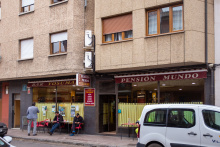
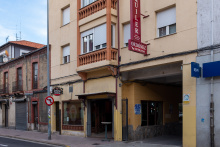
La Robla is the first real town outside León, and it feels like it — services here are solid after the sparse villages behind you. There's an albergue at the far end of town, several hostals and pensions, and a tourist information office near the ayuntamiento if you need a sello or a glossy brochure.
Skip the accommodation options just over the footbridge at the entrance to town and continue into the center instead. Hostal Ordóñez de Celis, on your right before the ayuntamiento, is recommended — clean rooms, reasonable prices, and a decent restaurant attached.
Stock up on food here if you're pushing on toward the mountains. While La Robla isn't glamorous, it's functional and well-positioned for an overnight before the landscape begins to change.
Between La Robla and Buiza the Camino del Salvador coexists with the Camino Olvidado, but they run in opposite directions. It's not hard to keep them apart, but if you get disoriented easily, check your map from time to time. Follow the Salvador arrows heading north.
La Robla grew as a railway junction in the 19th century, when the narrow-gauge Ferrocarril de La Robla connected the coal mines of León and Palencia with the steel mills of the Basque Country. The 335 km line was one of the longest narrow-gauge railways in Europe. The town's industrial character dates from this period, though the mines and heavy industry have largely wound down.
The camino from La Robla, once you get past the end of town, follows a pleasant path adjacent to the river. It passes a restored aqueduct — a nice piece of industrial heritage from the mining era. The terrain begins to change here as you enter the Gordón valley and the first foothills of the Cantabrian Mountains appear ahead.
Comments