Muxia is the quieter ending. Where Finisterre attracts crowds and has something of a festival atmosphere, Muxia skips the show and gets straight to the essential business of sitting on rocks and staring at the Atlantic. Give it a try -- the massive granite boulders surrounding the Santuario da Virxe da Barca at the far end of the cape are yours for as long as you can keep your feet on them.
The Santuario itself sits on the rocks at the tip of the cape, exposed to the full force of the ocean. It was destroyed by a lightning strike on Christmas Day 2013 -- a fire that felt like a judgment to the community. The rebuilding was completed by 2015, and the restored sanctuary stands exactly where the old one did, facing the same Atlantic.
The legend says the Virgin Mary arrived here in a stone boat to encourage Santiago during his preaching. The remains of her vessel are the stones around the sanctuary: the Pedra da Barca (the hull) and the Pedra de Abalar (the sail), which tradition said would rock if a person of pure faith stood on it. The Pedra de Abalar no longer oscillates -- storms broke it in 2014 -- but the stones themselves remain, massive and ancient. Pre-Christian stone worship was widespread along this coast, and the Virgin's arrival by boat is almost certainly a Christianization of much older traditions.
Near the sanctuary stands A Ferida -- the Wound -- an 11-meter monolithic sculpture weighing 400 tonnes of granite, the largest sculpture in Spain. It was installed as a memorial to the Prestige oil spill of 2002. The tanker broke apart off this coast in November of that year, releasing 77,000 tonnes of fuel oil that devastated the Galician coastline. The cleanup took years, mobilized 65,000 volunteers, and the Nunca Mais (Never Again) movement it spawned permanently changed Galician politics. The monument is a split stone, an open wound that doesn't close.
There are two small beaches in Muxia, both on the camino from Hospital and both reasonably protected from wind and waves.
The Muxiana certificate is available at the tourism office.
Bus service back to Santiago operates daily.
The Romeria da Virxe da Barca, held on the second Sunday of September, is the major celebration. It includes a procession to the sanctuary, fireworks over the Atlantic, and traditional Galician music. The festival draws large crowds -- book accommodation ahead.
The Costa da Morte -- the Coast of Death -- earned its name from centuries of shipwrecks along these rocky, fog-bound shores. The treacherous waters, fierce Atlantic storms, and unmarked reefs made this one of the most dangerous stretches of coastline in Europe. The Prestige disaster in 2002 was only the most recent catastrophe; the coast's history is written in lost ships and drowned sailors.
The pre-Christian worship of stones at Muxia predates any church by millennia. The oscillating stones -- rocks that appear to move with the wind or the touch of a hand -- were sacred sites long before anyone thought to build a sanctuary nearby. The Christianization of these stones as fragments of the Virgin's boat is a classic example of how the Church absorbed what it couldn't eliminate.
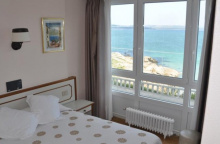
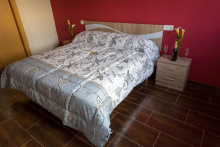
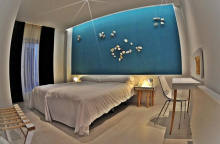
Accommodation in Muxía.
| Albergue de peregrinos de Muxía 10€ 32 |
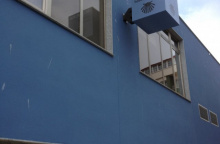
| Bela Muxia 17€ 36 Booking.com |
|
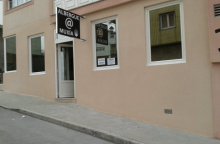
| Albergue A Muxía 13€ 42 Booking.com |
|
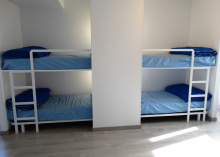
| Albergue Da Costa 16€ 10 Booking.com |
|
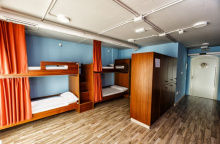
| Albergue Arribada 18-20€ 40 Booking.com |
|
Comments