Ribadavia
Caminho da Geira e dos Arrieiros
Ribadavia is the first historic town on the Geira and it's worth spending the night even if that means rejigging your stages. The town sits at the confluence of the Avia and Miño rivers and has been an important settlement since Roman times.
The old town is a pleasure to explore. Several historic churches are worth visiting — if the church of Santiago is closed, the women selling sweets virtually opposite at No.11 have the key. The castle ruins overlook the town, and the old Jewish quarter — the Barrio Xudeu — is one of the best-preserved in Spain.
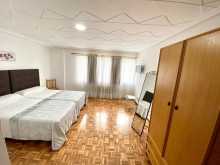
For accommodation, Pensión Evencio (also known as Garden Lodge) has budget rooms, but it's a 15-minute walk north of the castle area. Caracas is a restaurant that also has cheap rooms and is closer to the action. There are several more options in town.
Ribadavia is the capital of the Ribeiro wine region — the local white wines, made primarily from the Treixadura grape, are crisp and aromatic. You'll find them in every bar in town, and they're among the best-value wines in Galicia.
The Festa da Istoria, held in late August or early September, transforms Ribadavia's old town into a medieval market with period costumes, artisan stalls, and reenactments of the town's Jewish and Christian heritage. It's one of the most atmospheric medieval festivals in Galicia.
Ribadavia was a major medieval trading center and seat of the Counts of Ribadavia. Its Jewish community was one of the most important in Galicia — the Barrio Xudeu (Jewish Quarter) preserves the narrow streets and stone houses of what was a thriving neighborhood until the expulsion of 1492. The town celebrates this heritage with an annual medieval festival, the Festa da Istoria, which recreates scenes from its Jewish and Christian past.
The Ribeiro wine region, centered on Ribadavia, has been producing wine since Roman times. The wines were prized in medieval Europe and shipped from the port of Vigo across the continent.